In Retro Bowl, trucking means using momentum to take contact and still push forward for extra yards, often by breaking a tackle or falling ahead.
To truck in Retro Bowl, build momentum, hit the defender at an angle, stay committed to your lane behind blocks, and avoid last second jukes for steady short yardage gains.
Pick a runner with high strength and stamina, plus enough speed to hit contact with momentum. Use quick inside runs for short yardage and avoid head on hits or late jukes.
Stay calm like Ping Pong Go and trucking becomes more consistent.
Read the guide below to master How to truck in Retro Bowl and start breaking tackles for extra yards.
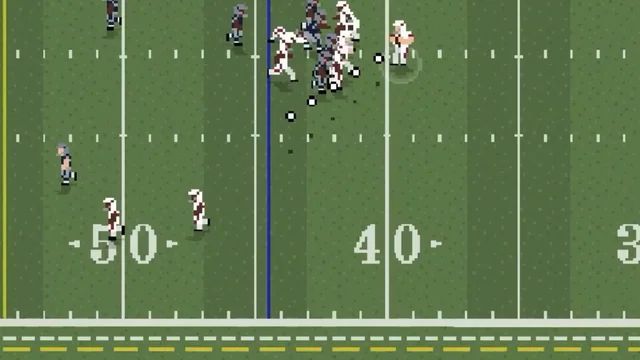
Trucking is a power run where you accept contact and still gain yards. In Retro Bowl, it usually looks like this: you are sprinting into a narrow lane, a defender meets you, and your runner keeps moving, breaks the tackle, or falls forward for extra yardage.
Think of trucking as controlled contact, not random collisions. You want contact when you have momentum and space to fall forward, not when you are stopped in the backfield.
Use this basic approach on any device, whether you are playing in a browser at school, on a Chromebook, or on mobile.
Trucking is much more likely when you hit the defender with momentum. If you cut too early or hesitate, you lose the power advantage.
Do not run straight into the center of a defender. Instead, aim at their outside shoulder. Angled contact tends to produce better forward progress and fewer instant stops.
Juking is great for avoiding contact, but late swipes can kill your line and slow you down. If you want a truck run, commit to your lane and keep your path clean.
Trucking starts with good blocking. Follow your linemen, wait half a beat for the lane to open, then burst through. A clean gap makes the tackle attempt weaker.
The best truck runs are often on third and short or near the goal line. Your goal is not always a highlight. It is moving the chains.
This is the core answer to How to truck in Retro Bowl: get speed, hit at an angle, and take contact on your terms.
If you want more broken tackles, roster building matters as much as stick skill.
Strength helps you win contact. Stamina helps you keep your power late in drives and late in games.
Speed is not only for breakaways. It helps you reach the collision with momentum, which is critical for trucking.
Even a power back benefits from catching because it keeps the defense honest. When defenders respect short passes, your run lanes improve.
If your runner feels like they get stuffed every time, it may not be your timing. It may be your roster.
Some runs invite contact in a good way. Others invite contact in a bad way. Use these principles to create high percentage truck opportunities.
Running inside reduces the angle of pursuit and often produces falling forward yards, which is trucking in its most useful form.
Plays that get the ball moving quickly reduce backfield chaos. The longer you dance, the more defenders arrive.
On third and one, it is usually better to run straight, accept contact, and secure two yards than to chase a risky bounce outside.
If you want to truck more often, stop trying to turn every carry into a home run. Make the defense tackle you on schedule and wear them down.
If you angle contact near the sideline, defenders have less space to wrap you cleanly. You can also fall forward out of bounds and protect the ball.
Instead of juking at the collision, make one earlier cut to widen the lane, then drive upfield. This keeps your runner fast at impact.
If you are in open field with one defender, dodging may be better. Trucking is best when you want guaranteed yards, not when you need a huge gain.
Power running increases contact. If you notice more fumbles in your version, play smarter with safer lanes and avoid repeated collisions when you are already surrounded.
It sounds unrelated, but Ping Pong Go teaches the same discipline that helps you truck in Retro Bowl: calm timing under pressure.
In Ping Pong Go, you do not win by panic tapping. You win by reading the ball early, staying steady, and hitting with intention.
Trucking works the same way. When you rush, you cut too late, lose speed, and get stuffed. When you stay calm, you pick your lane early, build momentum, and hit contact on your terms.
If you like improving through rhythm and repetition, pairing Retro Bowl with Ping Pong Go is a strong routine for sharpening reaction control and decision timing.
Trying to truck while standing still: No momentum means no power. If you are stopped, you are getting tackled.
Running straight into the defender’s chest: Square hits are the easiest tackles. Angled hits produce better outcomes.
Juking too late: Late movement usually reduces speed and makes contact worse.
Ignoring roster strength: If your runner is not built for contact, trucking will be inconsistent no matter what you do.
Commit to a clean lane, build speed before contact, and take angled hits instead of swiping at the last second.
Most versions do not have a dedicated truck button. Trucking is usually an attribute and momentum outcome when your runner wins contact.
Strength and stamina matter the most for breaking tackles, while speed helps you hit contact with momentum.
You are likely hitting defenders head on or slowing down with late cuts. Aim for the outside shoulder and keep your run line smooth.
They solve different problems. Trucking is best for guaranteed short yardage and falling forward, while juking is better for avoiding clean hits in space.
Once you understand How to truck in Retro Bowl, the game becomes more consistent because you can turn tight situations into reliable yards.
Build a stronger runner, run with momentum, and take angled contact when it helps you move the chains. And if you want a quick skill break that still rewards timing and calm control, play Ping Pong Go next and train the same rhythm that powers your best Retro Bowl runs.